

A Guide to Buying Off-Plan Properties in Uae Burj Azizi
Stand at the corner of Sheikh Zayed Road and tilt your head back, trying to see where Burj Azizi's planned 725-meter height will eventually pierce the sky. Most people staring up at that space see renderings and promises. Smart investors see something different: the single largest off-plan properties in uae opportunity currently available, wrapped in enough complexity and risk that most people will either avoid it entirely or jump in without understanding what they're actually buying.
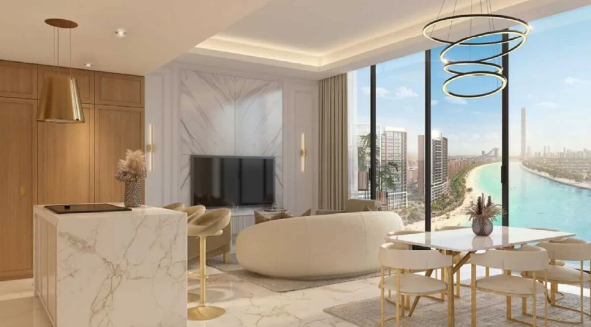
Burj Azizi and the Rise of Ultra Luxury Off-Plan Investments in Dubai
Burj Azizi isn't just another tower. The buying off-plan property in Dubai process for something this unprecedented requires completely different evaluation criteria than buying a standard apartment in Business Bay or a villa in Arabian Ranches. You're not just buying real estate. You're buying a bet on engineering ambition, developer execution, market absorption of ultra-luxury inventory, and whether Dubai's appetite for record-breaking architecture translates into actual long-term property value.
Why Burj Azizi Changes Every Rule About Off-Plan Real Estate UAE
Every off-plan property mortgage UAE advisor will tell you to buy from established developers in proven locations with clear rental demand. Burj Azizi violates every single one of those conventional guidelines while potentially offering returns that conventional investments never touch. This contradiction – breaking all the safe investment rules while possibly creating generational wealth for early buyers – defines the entire Burj Azizi investment proposition.
What are off-plan properties like Burj Azizi: Icon Investments vs Regular Property
Understanding what is off plan property Dubai investing means when applied to genuine icon developments requires separating Burj Azizi from the hundreds of normal off-plan apartments uae projects launched annually. The difference between owning "an apartment in Downtown Dubai" versus "an apartment in Burj Khalifa" created valuation premiums that persisted through multiple market cycles, proving that icon buildings operate in fundamentally different markets than regular real estate.
The Risk-Return Profile Nobody Discusses in Sales Offices
What they won't emphasize: the downside scenarios that could turn this spectacular opportunity into a financial disaster. Icon developments carry binary outcomes. Either they succeed spectacularly, becoming globally recognized landmarks that command permanent pricing premiums and attract worldwide buyer interest, or they fail to capture public imagination and become expensive construction exercises that investors overpaid for relative to surrounding properties offering similar square footage at lower prices. Burj Azizi sits firmly in that binary territory. It will either become Dubai's next must-own trophy address, or it will become a very expensive lesson about the difference between ambitious architecture and actual investment value.
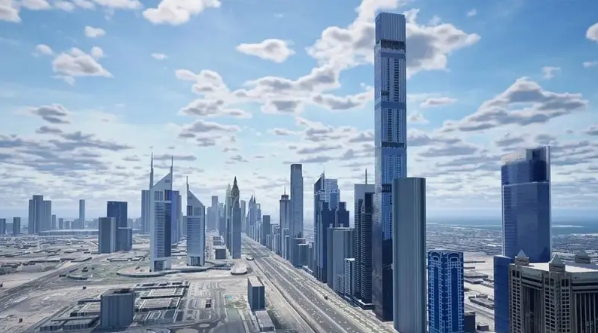
The Developer Analysis of Azizi's Track Record
Smart off-plan properties for sale in uae buyers obsess over developer selection because nothing else matters if your developer can't complete the project. Burj Azizi presents an unusual developer situation requiring careful analysis of both partners' strengths and how they complement each other.
Azizi Developments: Construction Capability Under Examination
But they've never attempted anything remotely approaching Burj Azizi's complexity. Building a 725-meter tower requires engineering expertise, construction management capability, and financial resources several magnitudes beyond delivering residential communities. The tallest building Azizi has completed doesn't crack the top fifty in Dubai's skyline. Burj Azizi would instantly become their flagship project by such a massive margin that comparing it to their existing portfolio becomes meaningless.
Why Azizi's Execution Matters More Than the Tower's Design
This gap creates the core developer risk for Burj Azizi buyers. Can Azizi successfully scale their construction operations to handle a project this ambitious? Will they partner with international engineering firms providing the expertise super-tall construction requires?
Jacob & Co: Luxury Brand Translation to Real Estate
Their watches sell for hundreds of thousands of dollars to the exact ultra-high-net-worth demographic Burj Azizi needs to attract. The partnership makes strategic sense: Azizi provides construction expertise, Jacob & Co provides brand cachet and access to wealthy buyer networks who'd never consider a standard Azizi development. But luxury brand partnerships in real estate have mixed track records. Which version will Burj Azizi become?
Location Analysis: Sheikh Zayed Road's Last Frontier
The off-plan developments UAE location analysis for Burj Azizi reveals both tremendous advantages and notable limitations compared to other ultra-luxury Dubai addresses.
Infrastructure Access: The Connectivity Advantage
For wealthy residents who actually live in their properties rather than just collect them as investments, this connectivity matters enormously. Burj Azizi offers the opposite trade: maximum accessibility with exclusivity derived from height and brand rather than geographic isolation. Different buyer demographics value these characteristics differently, but the infrastructure access definitely expands Burj Azizi's potential resident pool beyond just investors looking for trophy assets.
Competition Analysis: The DIFC and Downtown Proximity Challenge
The same Sheikh Zayed Road location that provides excellent connectivity also places Burj Azizi in direct competition with Dubai's most established luxury residential addresses. DIFC apartments attract wealthy finance professionals. Downtown Dubai offers Burj Khalifa's proven icon status. Business Bay provides luxury at slightly lower price points with similar accessibility. Burj Azizi needs to create differentiation substantial enough that buyers choose it over these proven alternatives. The pricing positioning determines everything about Burj Azizi's market absorption and investment returns. Price it at Burj Khalifa levels and you're betting the building achieves comparable icon status immediately. Price it below Burj Khalifa, and you're acknowledging it needs time to prove itself, potentially limiting initial returns but expanding the buyer pool to investors who want exposure to potential icon status without paying full icon pricing.
The Buying Off-Plan Property in Dubai Process for Burj Azizi: What Makes It Different
Standard ongoing projects in uae follow predictable sales processes: announce project, open sales center, take reservations, launch official sales with payment plans, collect installments during construction, handover completed units. Icon developments like Burj Azizi typically add extra complexity that buyers need to navigate carefully.
Pre-Launch Access: VIP Lists and Early Pricing
Major off-plan projects uae often create VIP buyer lists offering pre-launch access to select units before public sales begin. Burj Azizi will certainly use this strategy, giving early access to Azizi's existing investor network, Jacob & Co's client base, and broker relationships with ultra-high-net-worth individuals. The question for buyers: Does VIP access actually provide value through better pricing and selection, or does it just create artificial urgency benefiting the developer more than buyers? For Burj Azizi specifically, genuine early buyer advantages probably exist because initial pricing before public market reaction provides the best opportunity to secure units at rates reflecting development costs rather than icon premium speculation.
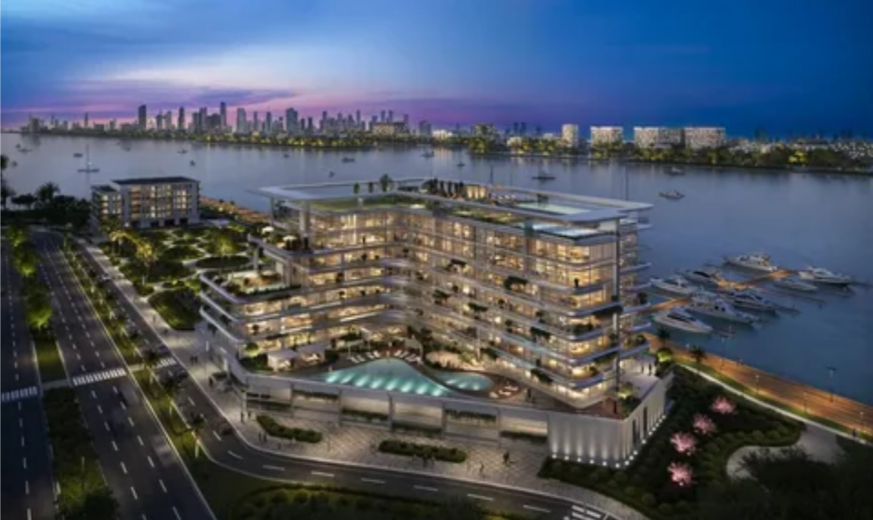
How Real VIP Access to Off-Plan Properties in Dubai Actually Works
But approach any "exclusive VIP opportunity" with healthy skepticism. Developers create VIP lists for every project, and most of those lists include tens of thousands of people who registered interest at some property expo. Real VIP access comes through established relationships with developer senior management or major brokerages handling substantial transaction volumes, not through registering your email on a website. Explore our property listings to find genuine opportunities.
Unit Selection Strategy: Floor Height Psychology
Off-plan apartments in Dubai within Burj Azizi create unusual selection dynamics because height matters more than usual. In normal towers, differences between floor 25 and floor 35 barely register with buyers beyond minor view improvements. In Burj Azizi, the difference between floor 50 and floor 100 represents the difference between "tall building" and "literally living higher than most buildings even exist." Early buyers face a strategic decision: pursue lower floors with likely lower pricing and better investment fundamentals (easier to rent, broader buyer pool for eventual resale), or pursue ultra-high floors with worse fundamentals but maximum icon positioning and trophy appeal. The answer depends entirely on your investment thesis.
How Your Floor Choice in Burj Azizi Shapes Investment Returns
If you're buying Burj Azizi, hoping to capture the icon premium that allows charging above-market rates for the Burj Azizi address, you need meaningful height. Floor 45 doesn't accomplish that objective – you need floors above 100 where you can legitimately claim to live at heights most people never experience. But if you're buying, hoping Burj Azizi becomes a successful luxury development that appreciates normally while generating decent rental income, lower floors provide better fundamentals with less pricing pressure from limited buyer pools willing to pay ultra-high-floor premiums.
Financial Modeling: Making the Numbers Work for Off-Plan Property Mortgage UAE Planning
Conservative off-plan real estate UAE financial planning becomes crucial for Burj Azizi because the margin between successful investment and financial disaster narrows considerably compared to normal off-plan purchases.
Rental Yield Realities: Why Trophy Assets Underperform on Yield
This yield compression happens because rental markets care more about practical factors – size, layout, amenities, location convenience – than about living in famous buildings. Renters willing to pay premiums for icon addresses exist, but they're far fewer than investors betting on price appreciation. Expect Burj Azizi to follow this same pattern. If you're buying expecting 6-8% rental yields, you're likely headed for disappointment. More realistic expectations sit around 3-5% gross yields, and possibly lower depending on final pricing.
Capital Appreciation: The Icon Premium Pathway
But this pathway only works if Burj Azizi actually becomes an icon. If it becomes just another tall luxury building without capturing that special global brand status, appreciation will follow normal market patterns, and early buyers who paid premium pricing expecting icon returns will face disappointment.
The Timeline Reality: When Returns Actually Materialize
New off-plan projects uae like Burj Azizi, require understanding the actual timeline before any returns materialize. That means buyers committing today face 5-7 years before taking possession. Add another 1-2 years for the building to stabilize, for rental markets to establish pricing, and for resale markets to develop liquidity. You're looking at 7-9 years from purchase to the point where you can reasonably evaluate whether this investment succeeded.
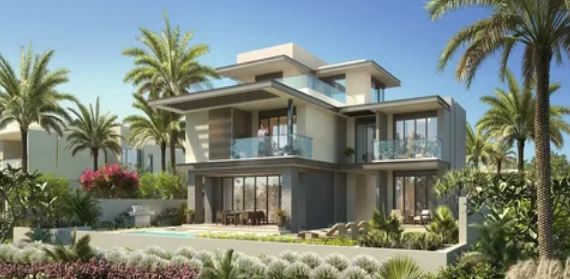
Why Long Construction Timelines Test Real Investor Patience
Can you accept money being tied up that long? Can you handle that level of uncertainty across nearly a decade? If those timelines create anxiety or financial stress, Burj Azizi probably isn't the right investment regardless of potential returns. Long-term best-of-plan projects in uae success requires genuine patience, not just claimed patience that evaporates after three years of construction, with photos that all look identical.
Construction Delay: The Super-Tall Timeline Challenge
Super-tall buildings are rarely completed on original schedules. Engineering challenges emerge. Materials prove more complex than anticipated. Weather delays compound.
Market Absorption Risk: Can Dubai Absorb This Much Ultra-Luxury Inventory?
Burj Azizi will add hundreds of ultra-luxury residential units to Dubai's inventory all at once at handover. Can the market absorb that supply without price pressure? The answer determines whether early investors can exit successfully or whether everyone tries selling simultaneously into a saturated market offering limited demand at the pricing levels investments require for profitability. Dubai's ultra-luxury market has absorbed substantial inventory historically, but it's also experienced periods where supply overwhelmed demand and prices corrected significantly. Burj Azizi's success depends partly on general market conditions at handover – if Dubai is experiencing strong economic growth and population increases, absorption will be fine. If handover coincides with economic softness, buyers could face years of holding inventory waiting for markets to recover enough for profitable exits.
Developer Execution: The Scale-Up Challenge
The biggest risk for Burj Azizi remains whether Azizi can successfully execute a project far more complex than anything they've attempted previously. Delivering mid-market residential communities demonstrates competence, but it doesn't prove capability for managing super-tall construction with all its engineering challenges, regulatory complexity, and financial demands. If Azizi struggles with execution, problems compound quickly. Construction delays extend timelines and increase costs. Quality issues emerge requiring expensive remediation. Buyer confidence erodes, slowing sales and potentially creating financial pressure if presales-funded construction. The gap between announcement and successful delivery creates years of vulnerability where problems can emerge and destroy investment returns.
The Comparison: Cost of Owning a Villa in Dubai vs Ultra-Luxury Apartment Investment
Investors comparing Burj Azizi apartments to off-plan villas in Abu Dhabi or cheapest villas in uae face fundamentally different investment propositions with distinct advantages and limitations.
Villas: Land Value and Space Premium
Off-plan villas for sale in Dubai offer something Burj Azizi can never have: land ownership and horizontal space that wealthy families value highly. Villa communities in Dubai Hills Estate or Arabian Ranches provide private gardens, multiple parking spaces, room for families to spread out, and the privacy and independence that apartment living inherently lacks.
Burj Azizi: Icon Status vs Practical Utility
Burj Azizi offers something villas can't match: the prestige and global recognition of owning in a world-famous tower. For wealthy individuals who value trophy assets and global brand recognition over practical living space, Burj Azizi provides superior positioning. For wealthy families who value space, privacy, and land ownership, villas provide better utility. The investment performance difference comes down to which buyer demographic drives stronger demand in Dubai's luxury market. If international investors treating properties as trophy assets dominate, Burj Azizi should outperform villas in terms of appreciation. If family residents seeking practical luxury homes dominate, established villa communities should provide more stable returns with less volatility.
Making the Decision: Is Burj Azizi Right for Your Off-Plan Properties UAE Strategy?
The decision to buy in Burj Azizi requires honest self-assessment about your financial situation, risk tolerance, investment timeline, and objectives.
The Right Buyer Profile for Burj Azizi
Burj Azizi makes sense for investors who understand and accept that they're making a speculative bet on icon development success. You need substantial capital available for the investment without creating financial stress during the 5-7 year construction and stabilization period. You need genuine patience to hold through that timeline without panic selling if markets soften or construction delays emerge. You need emotional stability to handle significant temporary paper losses if Dubai's property market cycles down during your holding period.
The Final Reality: Why Most People Should Probably Skip Burj Azizi
For everyone else, who is probably 95% of people reading marketing materials about Burj Azizi, better off-plan properties in uae opportunities exist with more predictable outcomes, lower risk profiles, and investment characteristics better matched to normal investor needs. There's no shame in acknowledging that this particular opportunity requires more capital, more risk tolerance, or more patience than you possess. The investors who get hurt in real estate are the ones who convince themselves they can handle risks they actually can't.
Where to Focus Instead: Building Wealth Through Boring Reliability
Better long-term wealth for most investors comes from the boring strategy nobody gets excited about: buying quality off plan apartments uae in established communities from proven developers, paying reasonable prices reflecting actual construction costs and normal profit margins rather than icon premium speculation, collecting stable rental income while properties appreciate modestly over long holding periods, and letting time and compound returns build wealth gradually rather than betting everything on dramatic appreciation from one spectacular project.

© Brookfield Prologis Real Estate 2026 - All rights reserved